Dogs eating poop—called coprophagia—is surprisingly common, and there are a few main reasons behind it:
1. Instinct from puppyhood
Mother dogs naturally lick and eat their puppies’ waste to keep the den clean and protect them from predators. Some puppies copy this behavior early on.
2. Curiosity or learned behavior
Dogs explore the world with their mouths. If they stumble on feces (their own, another dog’s, or even other animals’), they might try it just out of curiosity—or because they saw another dog do it.
3. Nutritional issues
In some cases, dogs may not be getting enough nutrients or may have trouble absorbing them. This can lead them to seek out undigested food particles in feces.
4. Hunger or food obsession
Dogs that are underfed, fed low-quality food, or extremely food-motivated may see poop as “just another food source.”
5. Attention-seeking or boredom
If a dog realizes that eating poop gets a strong reaction from you (even a negative one), they might repeat the behavior. Bored or under-stimulated dogs are also more likely to develop odd habits.
6. Stress or anxiety
Dogs under stress—like those in shelters or with inconsistent routines—sometimes develop coprophagia as a coping behavior.
7. Avoiding punishment
If a dog has been punished for having accidents indoors, they may eat their poop to “hide the evidence.”
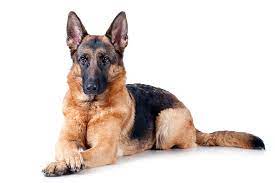
The German Shepherd
This is my favorite dog of all time,we had a German Shepherd named Misty growing up, my Grandparents had two also, so being around German Shepherds was a way of life growing up.
They are truly loyal and protective dogs, I remember Misty wouldn’t let my mother Carol get anywhere near my father Glenn to give him a kiss, she would bark and run up and get in front of my father.
Temperament & Personality
1. Highly Intelligent
They are extremely smart and quick learners. This is why they’re often used as police, military, and service dogs.
2. Loyal & Protective
German Shepherds are deeply loyal to their family. They naturally protect their home and loved ones.
3. Confident & Courageous
They’re not timid. With proper training, they are calm and steady under pressure.
4. Alert & Watchful
They tend to be excellent watchdogs and will alert you to strangers or unusual activity.
5. Bond Strongly With One Person
They often form a very strong attachment to one primary owner.
Energy Level & Exercise Needs
German Shepherds are high-energy dogs.
They need:
1–2 hours of exercise daily
Long walks, runs, or hikes
Mental stimulation (training games, puzzles, scent work)
Without enough activity, they can:
Become bored
Chew or dig destructively
Develop anxiety
Ideal Living Environment
Best suited for:
Active families
Homes with yards
Owners who enjoy outdoor activities
They can live in apartments if they get enough daily exercise — but they are not couch potatoes.
Family & Social Behavior
Usually great with kids (when properly trained and socialized)
Can be reserved around strangers
May be cautious with other dogs without early socialization
Early training is very important.
Training Needs
They thrive on:
Obedience training
Clear leadership
Consistency
Jobs or tasks
They do very well in:
Protection work
Agility
Search and rescue
Service work
Health & Grooming
Shedding: Heavy (especially twice a year)
Lifespan: 9–13 years
Common concerns:
Hip dysplasia
Elbow dysplasia
Degenerative myelopathy
They need regular brushing (2–3 times per week, more during shedding season).
Daily Lifestyle Snapshot
A happy German Shepherd’s day looks like:
Morning walk or run
Training session or mental game
Time with family
Afternoon activity
Evening relaxation near their owner
They don’t like being alone for long hours, so make sure if you are thinking of get one as a family pet, you don’t work long hours, someone is home as much as possible or get them another dog to be friends with.
 4 Paws Marketing Company